Chimney Crown Repair in Atlanta, GA

The chimney crown is the masonry or concrete top designed to shed water away from the chimney structure and flue penetrations. Cracks, poor slope, deterioration, or failed transitions can allow moisture into the masonry. ATL Chimney evaluates whether a crown needs targeted repair, sealing, or rebuilding based on its condition.

Our office will confirm your requested visit time.

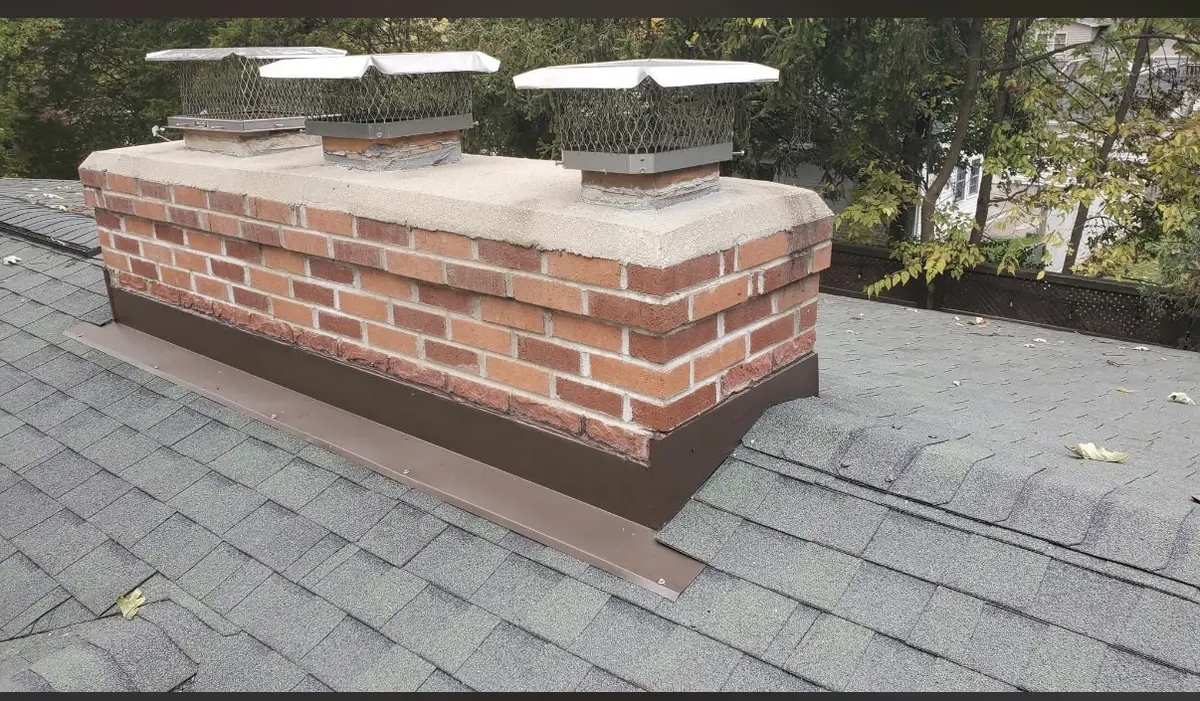
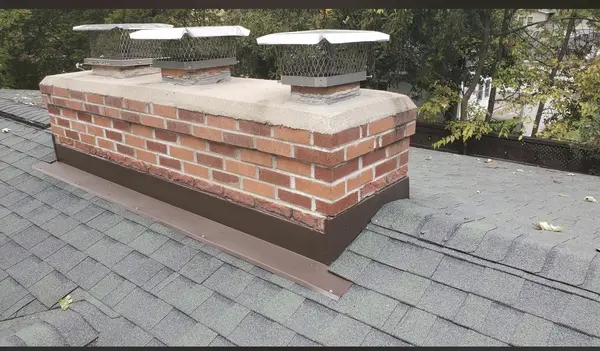
Brick chimney top with two flue caps and roofline flashing

Crown Repair or Chimney Leak Repair?

A cracked or deteriorated crown can be one water-entry point, but stains around a chimney can also come from flashing, the cap, mortar joints, or absorbent masonry. Crown repair should be recommended when inspection findings point to the crown rather than treating every leak as a crown problem.

See chimney leak repair

Common Chimney Crown Repair Problems

  • Hairline cracks that widen with every freeze-thaw cycle
  • Crown poured too thin or without proper slope from the start
  • Missing expansion gap between the flue tile and the crown
  • Spalling and crumbling crown concrete
  • Water running through crown cracks into the brick and house

Signs You May Need This Service

  • Visible cracks across the top of the chimney
  • Water stains on interior walls or ceilings near the fireplace
  • Pieces of concrete on the roof or in the firebox
  • Efflorescence on the brick just below the crown
  • A crown that looks flat instead of sloped away from the flue

Our Chimney Crown Repair Process

  1. 1

    Inspect the crown and measure crack depth and slope

  2. 2

    Seal suitable minor crown cracks with a compatible crown repair material

  3. 3

    Rebuild severely cracked crowns with proper concrete and slope

  4. 4

    Add a flexible expansion joint around the flue tile

  5. 5

    Finish and protect the repaired crown as appropriate for the material and condition

Comparing Crown Repair and Rebuilding

Surface repair and rebuilding are different scopes. Compare the documented condition and the water-shedding details before choosing between estimates.

Understand why that repair was recommended

Ask which findings support repairing the existing crown and which would require removing and rebuilding it. The condition of the underlying material, crack depth, drainage, and flue transitions matter; a coating should not be presented as a way to restore loose or unsound material.

Identify the adjoining work

The estimate should explain the crown work and any separate repairs to nearby brick, flue tiles, caps, or flashing. Ask how the completed crown will shed water and how transitions around the flues will be handled. Crown repair does not automatically include every part of the chimney top.

Clarify access and curing time

Chimney size, roof access, removal of the old crown, and the amount of rebuilding affect the price. Ask how weather and material curing requirements affect the schedule, protection of the work, and when the fireplace can be used again.

Real Project Photos

See chimney crown repair conditions and completed work from ATL Chimney projects.

Brick masonry chimney top with two caps and metal roofline flashing
Completed work

Masonry chimney top with two caps and roofline flashing.

View more real chimney and fireplace project photos

From Our Work Around Atlanta

Project notes and before-and-after photos from our field work.

Missing Chimney Crown in Atlanta

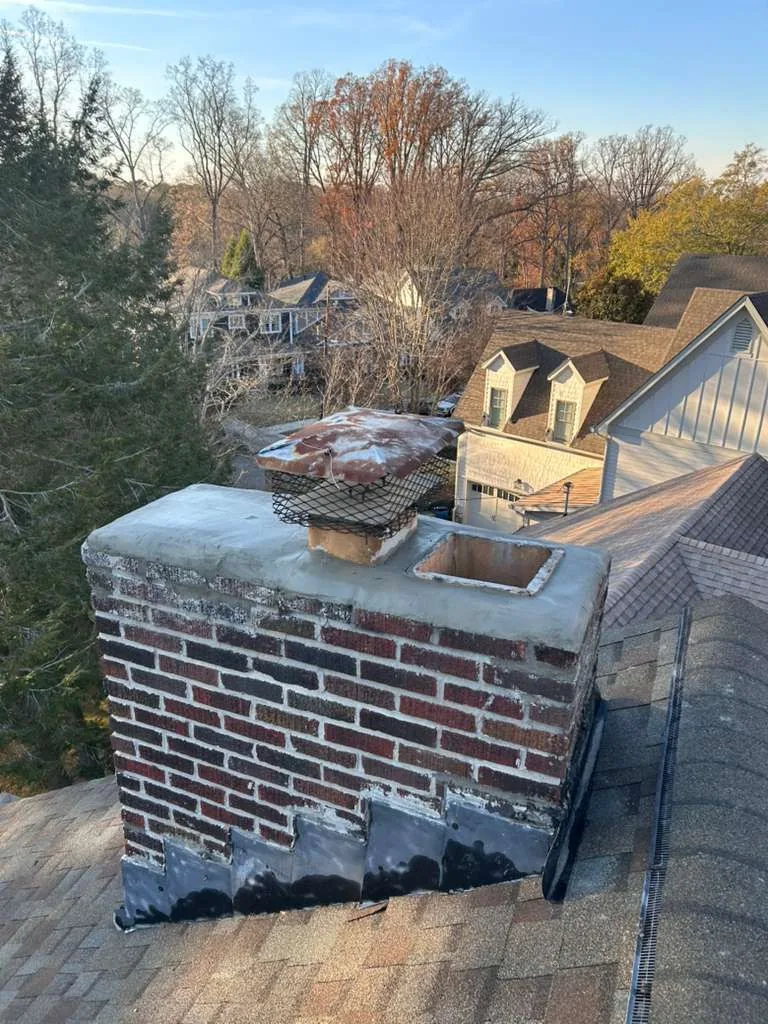
An Atlanta homeowner reported water entering her home. On the roof, we found that the chimney had no crown covering the masonry around the flues and identified this as the source of water entry. We repaired the chimney top by adding the missing crown.
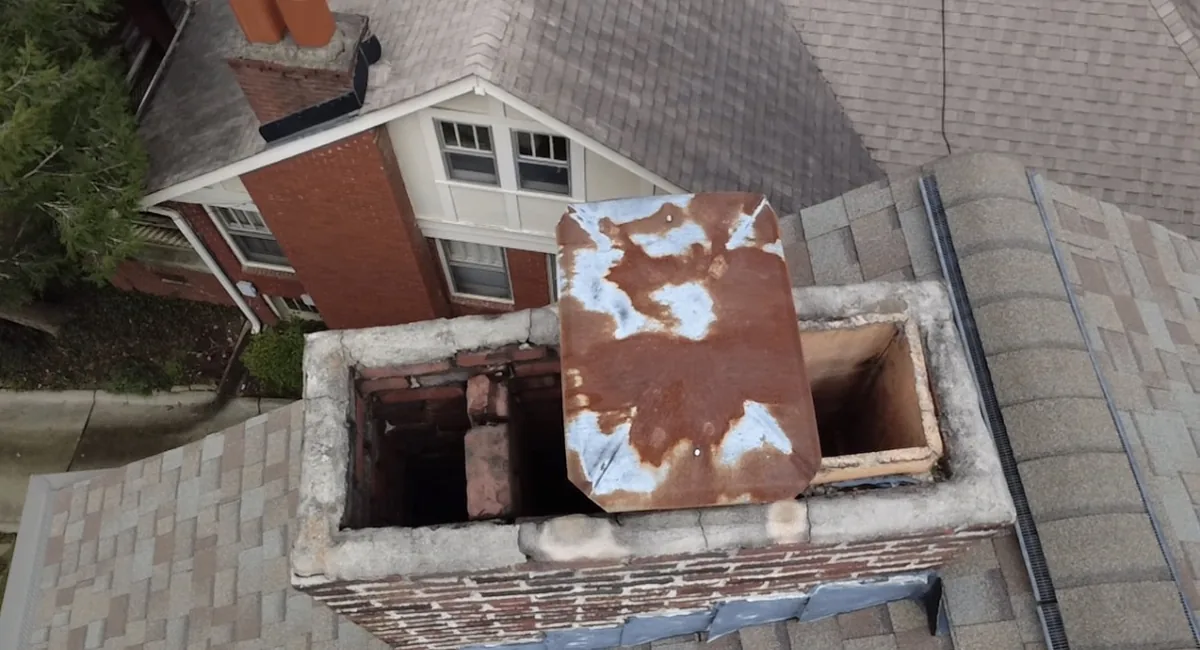
Atlanta chimney before crown repair with open gaps around the clay flues
Before — Atlanta chimney before crown repair with open gaps around the clay flues
Same Atlanta chimney after a crown was added around the flues
After — Same Atlanta chimney after a crown was added around the flues

The before photo shows a cap over one flue while the surrounding chimney top remains open. It illustrates the difference between a flue cap and a crown: they cover different parts of the chimney.

Serving the Atlanta Metro Area

A chimney crown is exposed directly to rain, sun, and temperature changes. Cracks, poor drainage, or separation around flue tiles can allow water into the masonry, so crown repair should address the actual condition, slope, overhang, and transitions rather than simply coating visible cracks.

Chimney Crown Repair FAQ

What affects the cost of chimney crown repair?
The condition and size of the crown, chimney height, roof access, removal needs, and whether it can be repaired or must be rebuilt affect cost. Ask for an estimate that separates crown work from any brick, cap, flashing, or flue repairs.
What is the difference between a chimney cap and a crown?
A cap protects one or more flue openings. The crown sheds water from the masonry around those openings. They protect different parts of the chimney, and a sound cap and crown do not rule out water entry through flashing, mortar joints, or other components.
Can a cracked crown be sealed instead of rebuilt?
Some minor crown cracks can be repaired or sealed, while extensive deterioration, poor geometry, or deeper structural cracking may call for rebuilding. The correct approach depends on the crown material and condition.
How long does a rebuilt crown last?
Service life depends on materials, dimensions, workmanship, exposure, drainage, and maintenance. Proper slope and detailing around flue penetrations help the crown shed water and reduce premature deterioration.
Will crown repair stop my chimney leak?
If the crown is the source, repairing or rebuilding it can address that entry point. Because water can travel, the surrounding cap, flashing, and masonry should also be evaluated.

Ready to Schedule Chimney Crown Repair?

Call ATL Chimney or send an online service request. We will document relevant findings, explain the recommended scope, and provide pricing before approved repair work begins.

Call