Chimney Flashing Repair in Atlanta, GA
Chimney flashing is the water-shedding system where the roof meets the chimney. When step flashing, counter flashing, fasteners, or sealant details fail, rain can enter beside the chimney and appear in the attic, ceiling, or fireplace area. ATL Chimney evaluates the roof-to-chimney transition and the other nearby leak sources before recommending a targeted flashing repair or replacement.
Our office will confirm your requested visit time.
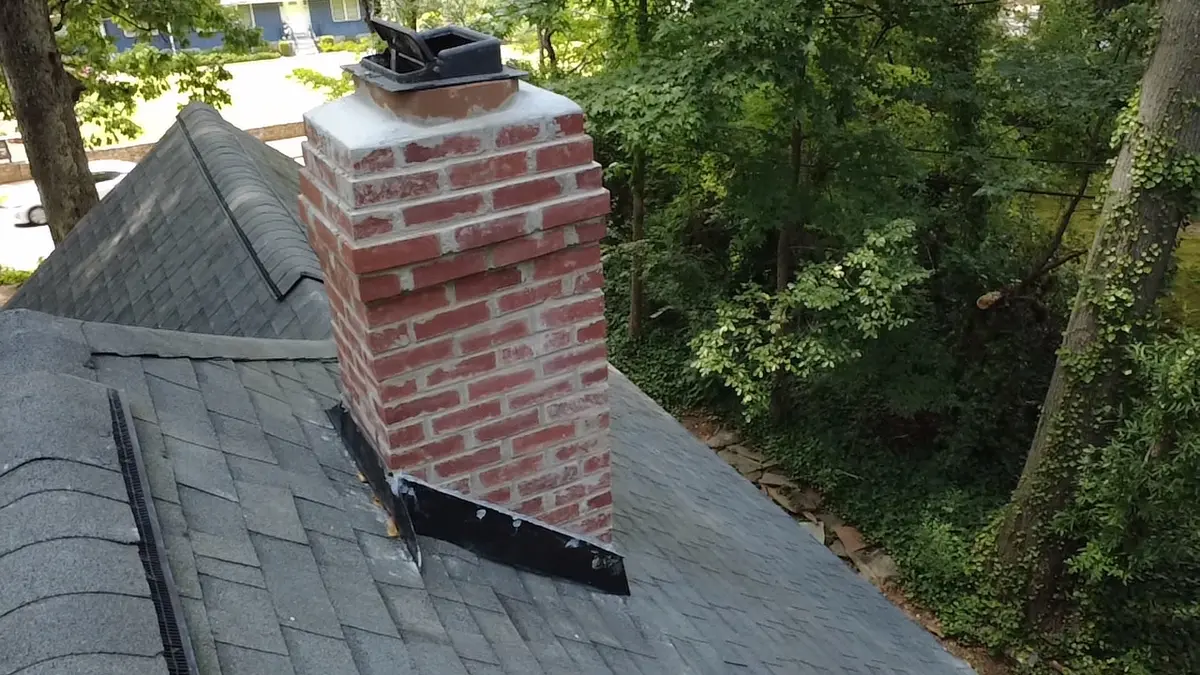
Flashing Repair or General Chimney Leak Repair?
Flashing repair is the right page when the likely entry point is the roof-to-chimney joint. General leak diagnosis is broader and also considers the crown, cap, chase cover, masonry, and other water-entry paths. If the source is uncertain, start with the broader leak evaluation.
See chimney leak repairCommon Chimney Flashing Repair Problems
- Loose, bent, corroded, or missing step flashing
- Counter flashing that has pulled away from the masonry
- Open corners or gaps where roof planes meet the chimney
- Old surface sealant used in place of a durable flashing detail
- Water entering near the chimney even though the cap and crown appear serviceable
Signs You May Need This Service
- Ceiling or attic staining beside the chimney after rain
- Visible gaps, rust, lifted metal, or cracked sealant at the roofline
- Moisture that appears during wind-driven storms
- Recurring leaks after a temporary caulk repair
- Damaged shingles or underlayment immediately around the chimney
Our Chimney Flashing Repair Process
- 1
Trace the moisture pattern and inspect the accessible roof-to-chimney transition
- 2
Check nearby crown, cap, masonry, and roof conditions that can mimic a flashing leak
- 3
Explain whether a localized repair or broader flashing replacement is appropriate
- 4
Complete the approved flashing scope and integrate it with accessible roof and masonry details
- 5
Document the repaired area and note any separate roof or masonry concerns
Real Project Photos
See chimney flashing repair conditions and completed work from ATL Chimney projects.
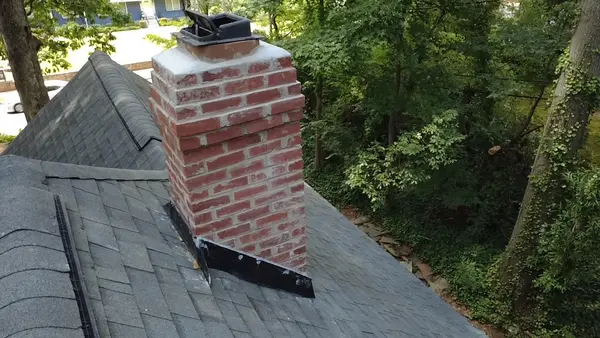
Completed masonry and roofline flashing work on a residential chimney.
Serving the Atlanta Metro Area
Atlanta storms can drive rain into small openings around a chimney, and repeated heat, humidity, and roof movement can weaken exposed sealants and metal details. Because water travels along framing and underlayment, the interior stain may not sit directly below the opening. A useful diagnosis looks at the entire chimney and roof junction rather than assuming every nearby stain has the same cause. Homeowners arranging chimney service in East Cobb can read the local leak-diagnosis guide before sharing roofline photos and the location of water stains.
Chimney Flashing Repair FAQ
How can I tell whether chimney flashing is leaking?
Can chimney flashing be repaired without replacing the roof?
Is caulk enough to repair chimney flashing?
Do you repair chimney flashing in Marietta?
Ready to Schedule Chimney Flashing Repair?
Call ATL Chimney or send an online service request. We will document relevant findings, explain the recommended scope, and provide pricing before approved repair work begins.