Chimney Inspection in Atlanta, GA
A chimney inspection documents the accessible condition of the chimney and fireplace before seasonal use, a home purchase, a system change, or a repair decision. ATL Chimney offers Level 1 and Level 2 inspection options: Level 1 focuses on readily accessible components, while Level 2 adds camera scanning of the flue and additional accessible areas for a more detailed evaluation.
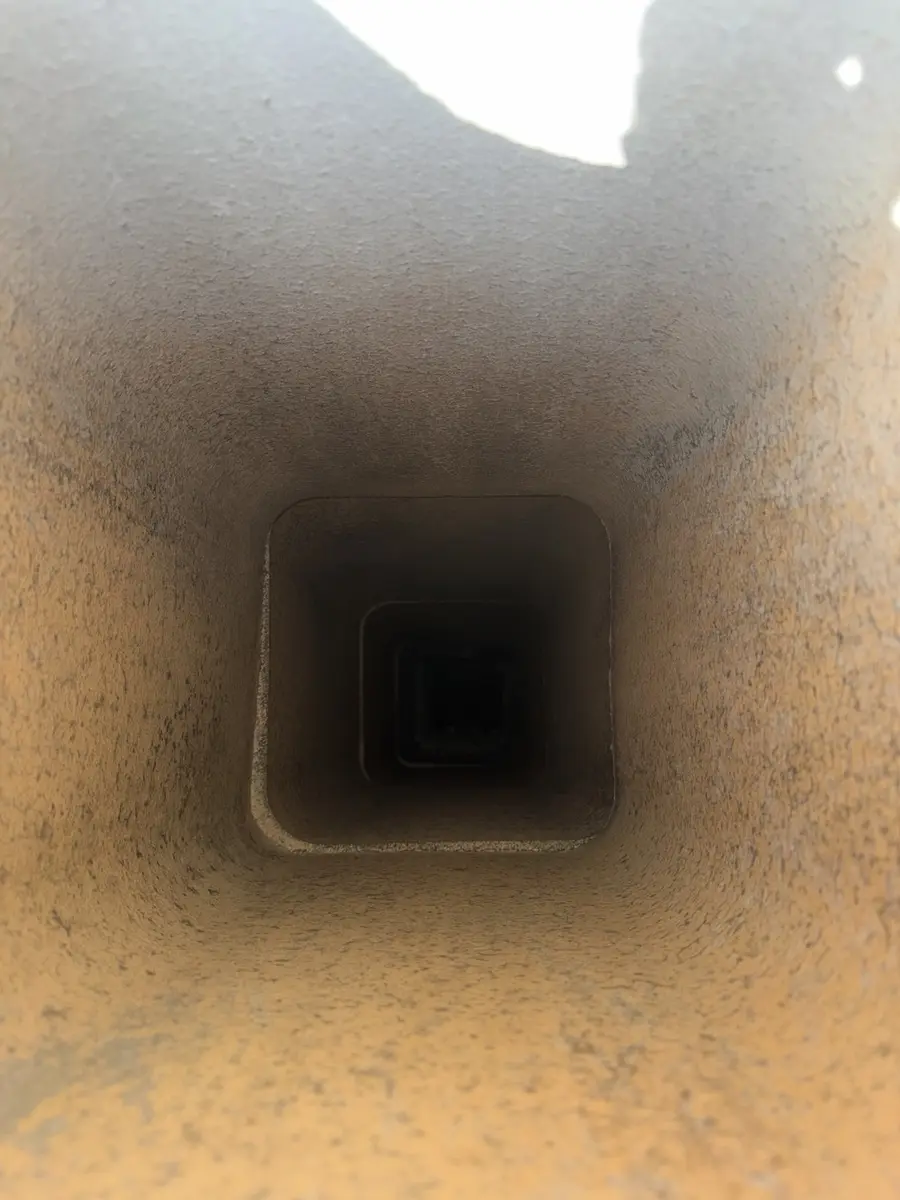
Do You Need an Inspection or a Cleaning?
Choose an inspection to understand the condition of your chimney and fireplace. Cleaning removes creosote, soot, ash and accessible debris. If you need both, our $199 package combines a full Level 2 inspection and standard cleaning for one wood-burning fireplace and one flue.
See the $199 inspection + sweep packageCommon Chimney Inspection Problems
- Cracked or shifted flue tiles you cannot see from below
- Hidden gaps in the crown or flashing that leak water
- Creosote buildup that raises fire risk
- Structural mortar loss that weakens the chimney
- Installation or venting concerns that need further evaluation
Signs You May Need This Service
- You just bought or are about to buy an Atlanta home with a fireplace
- It has been more than a year since the chimney was inspected
- A chimney fire, lightning strike, or severe storm recently occurred
- You are installing a new appliance or relining the flue
- You notice new cracks, stains, or drafting problems
Our Chimney Inspection Process
- 1
Exterior check of brick, mortar, crown, cap, and flashing
- 2
Interior firebox and damper evaluation
- 3
Video camera scan of the flue lining with Level 2 inspections
- 4
Clear, plain-language report with photos of any findings
- 5
Clear recommendations based on the documented findings
Preparing for Your Chimney Inspection
A few details before the visit help match the appointment to your system and the reason for the inspection.
Explain the reason for the visit
Tell us whether you are planning routine maintenance, buying a home, investigating a symptom, or considering an appliance change. For a home purchase, share your inspection deadline so availability can be checked before you book.
Identify the systems and records
Tell us how many fireplaces or appliances need evaluation and whether they burn wood or gas. If available, provide appliance model information, previous reports, and records of repairs or changes to the venting system.
Confirm access and scope
Keep the fireplace area accessible and mention any known attic, crawlspace, or roof-access limitations in advance. Confirm the inspection level, whether camera scanning is included, and whether cleaning is a separate service for your appointment.
How to Read Your Chimney Inspection Report
Read the findings together with the inspection scope and any access limitations. The report records observed conditions so you can understand the recommended next step.
Check the system and scope
Review the inspection date, inspection level, system type, and components evaluated. Confirm which areas were accessible and which inspection methods were actually performed.
Review findings and photos together
Use the written findings to understand what was observed. Photos document representative conditions; they do not show every component or every possible defect.
Separate satisfactory from not inspected
A satisfactory observation applies to the visible condition at the time of inspection. An area marked not inspected or not applicable is not a confirmed satisfactory result.
Clarify the recommended next step
Ask which findings call for repair, further evaluation, or restricted use. Inspection recommendations are separate from an approved repair scope and a written estimate.
An inspection report describes conditions observed at the time of inspection. It is not a warranty of future performance or a certification of code compliance.
Meet our CSIA-certified chimney sweepReal Project Photos
See chimney inspection conditions and completed work from ATL Chimney projects.
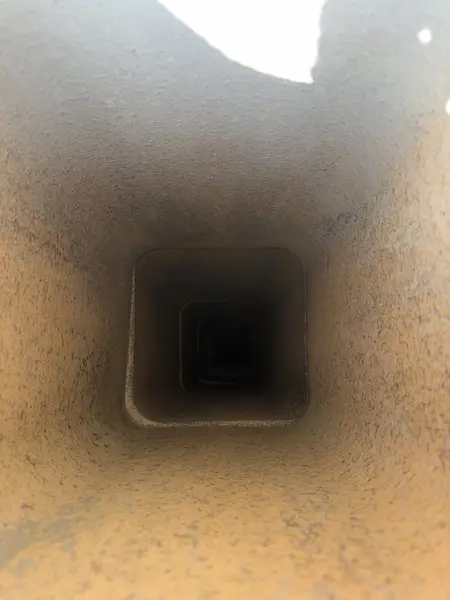
Interior flue condition documented during a chimney inspection.
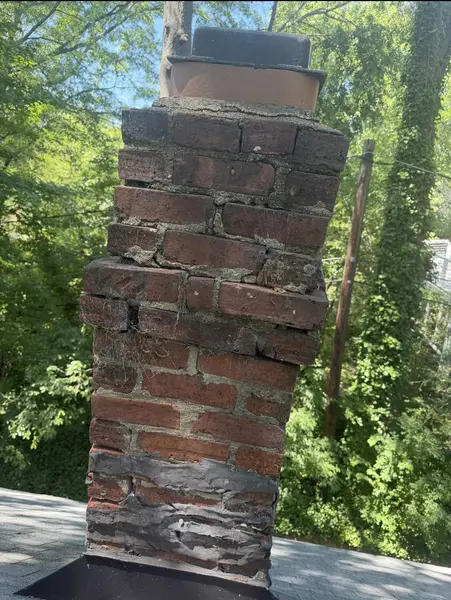
Deteriorated chimney masonry documented during an exterior evaluation.
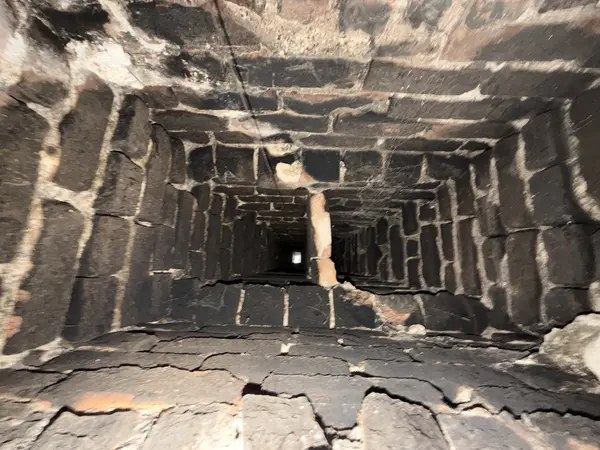
Smoke chamber condition documented before resurfacing.
Serving the Atlanta Metro Area
For home purchases and system changes in Atlanta, a dedicated chimney inspection can document conditions that are outside the scope of a standard visual walk-through. Older masonry, clay liners, newer factory-built systems, and renovated fireplaces each present different inspection considerations.
Chimney Inspection FAQ
What is the difference between a Level 1 and Level 2 chimney inspection?
Do I need an inspection if I rarely use my fireplace?
Should I have a chimney inspected when buying a home in Atlanta?
How long does an inspection take?
Ready to Schedule Chimney Inspection?
Call ATL Chimney or send an online service request. We will document relevant findings, explain the recommended scope, and provide pricing before approved repair work begins.